Designing Visibility: How Segmented Reflective Trim is Reshaping High – Visibility Apparel
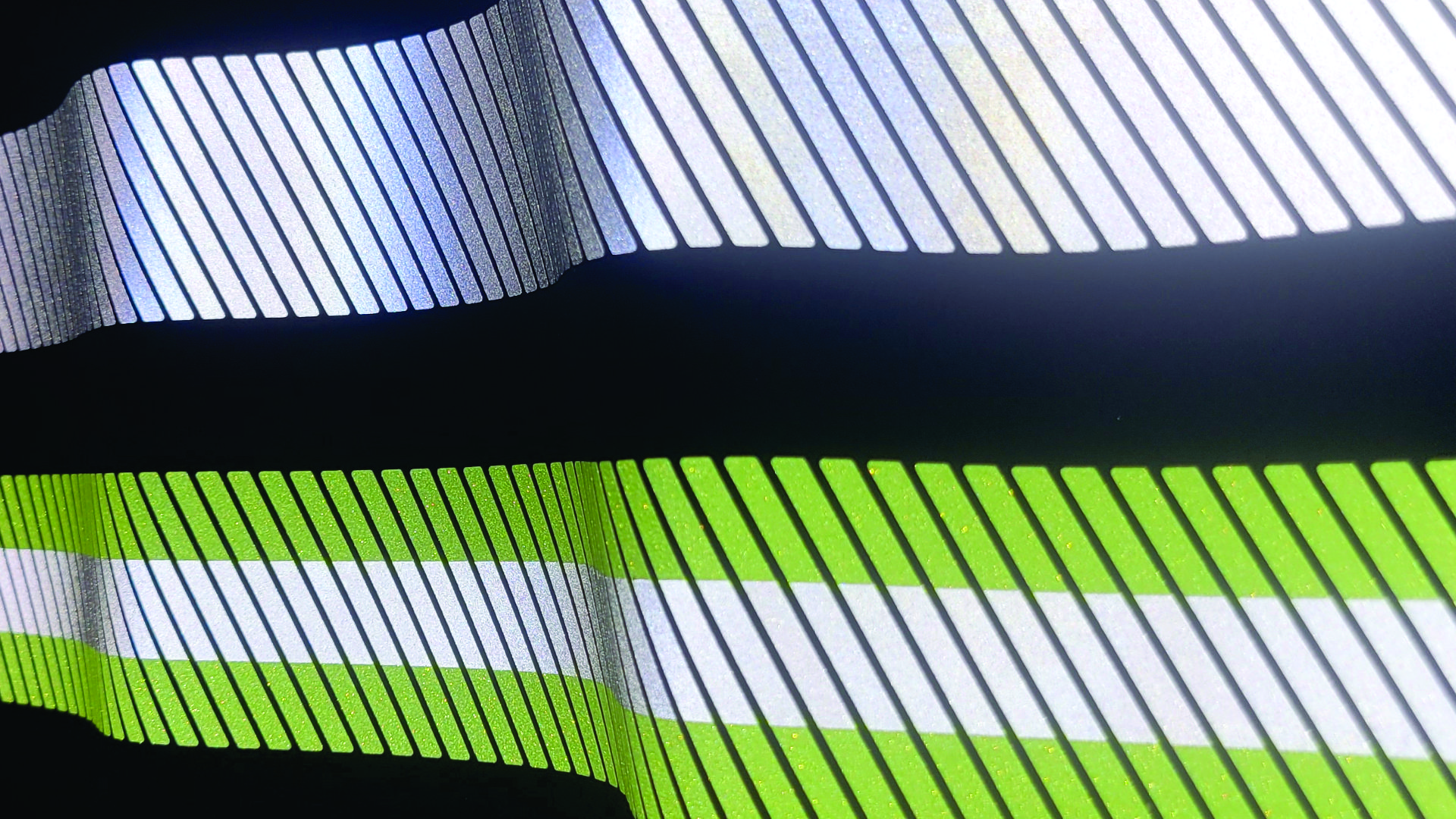
When retroreflective trim moves with the garment
—
and the worker
—
it becomes part of the garment’s<br
Improving the safety of people who work in low-light conditions is our top priority.
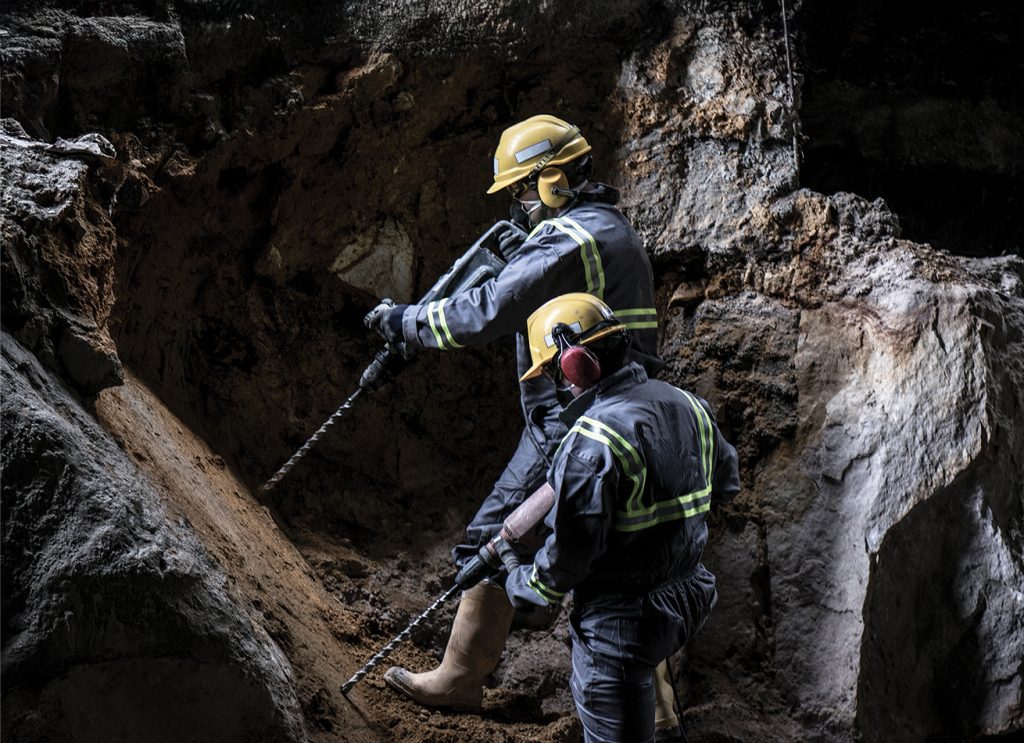
In industrial settings, like oil & gas and mining, personal protection is paramount. Workers operate in extreme environments with low visibility and high-risk factors. Reflective materials here must withstand rigorous conditions, including exposure to harsh chemicals, high temperatures, and frequent industrial washing.
Key Safety Needs:
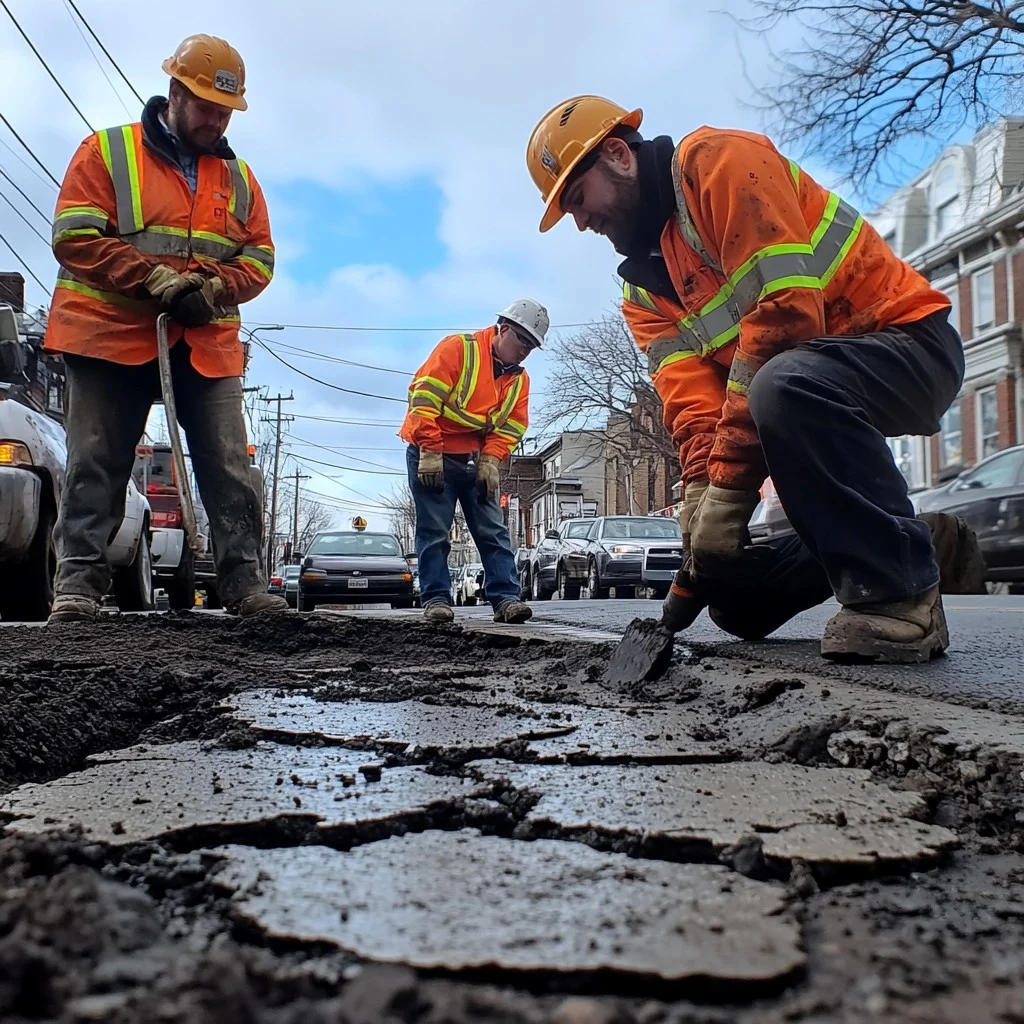
For public service workers and roadside crews, reflective safety gear needs to provide high visibility to alert drivers and the public to their presence, often in high-traffic, dangerous settings in varying light and weather conditions.
Key Safety Needs:
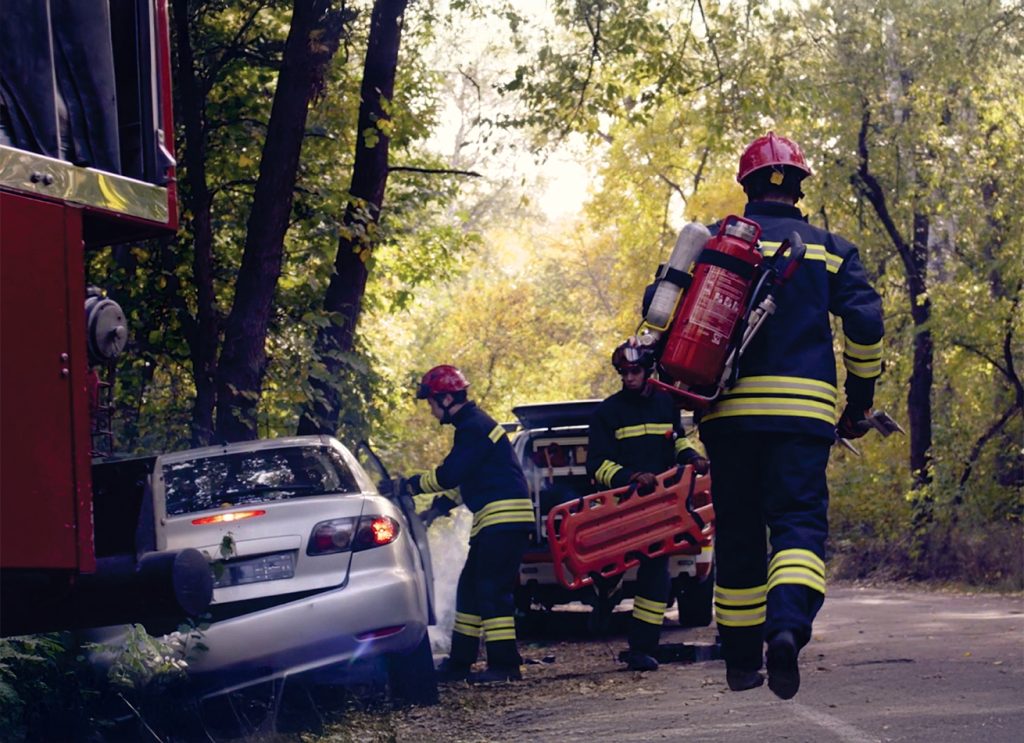
Fire, police, EMS and other first responders require protective apparel that supports visibility and safety under intense conditions. Whether responding to fires, accidents, or other incidents, these professionals need reflective solutions that hold up to rigorous, life-saving activities.
Key Safety Needs:
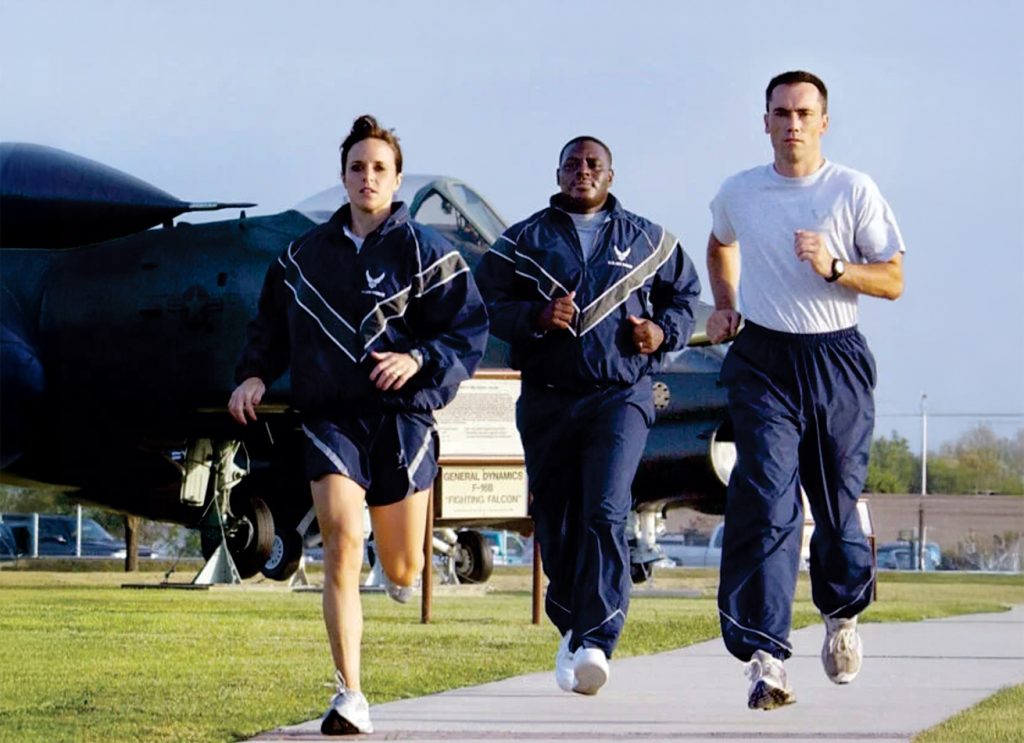
For military personnel, reflective gear plays a crucial role in non-combat training and operations. Military uniforms require materials that balance visibility for training with durability to withstand field conditions.
Key Safety Needs:

When retroreflective trim moves with the garment
—
and the worker
—
it becomes part of the garment’s<br

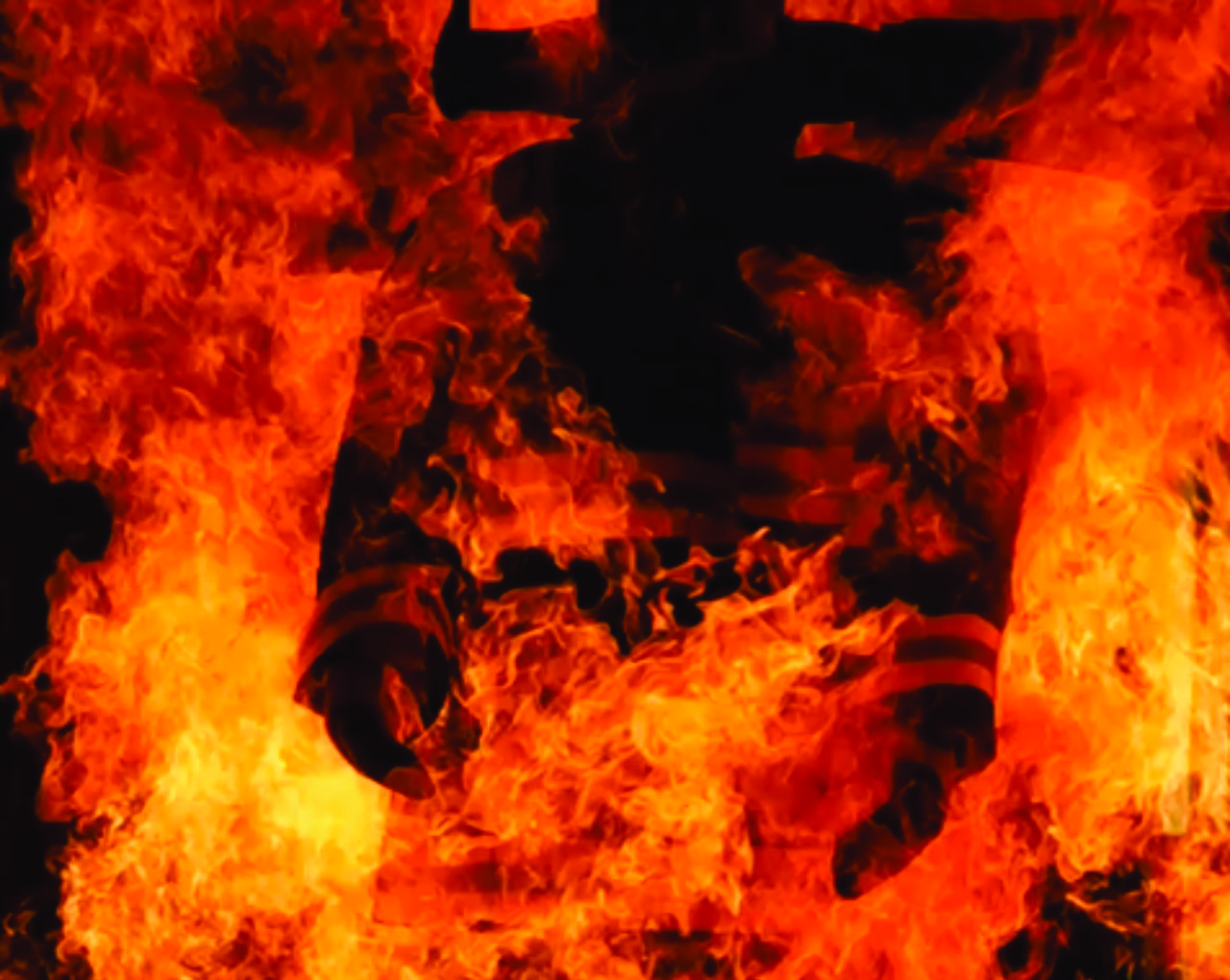
Fire service environments demand validation beyond minimum requirements. For organizations developing, specifying, or evaluating firefighter PPE, engaging early with advanced testing helps

Understanding why reflective trim fails, how failures present, and what warning signs to look for can help reduce uncertainty and protect workers